Apple’s 2026 AI Game-Changer: Siri Reimagined + ChatGPT & Gemini Inside”


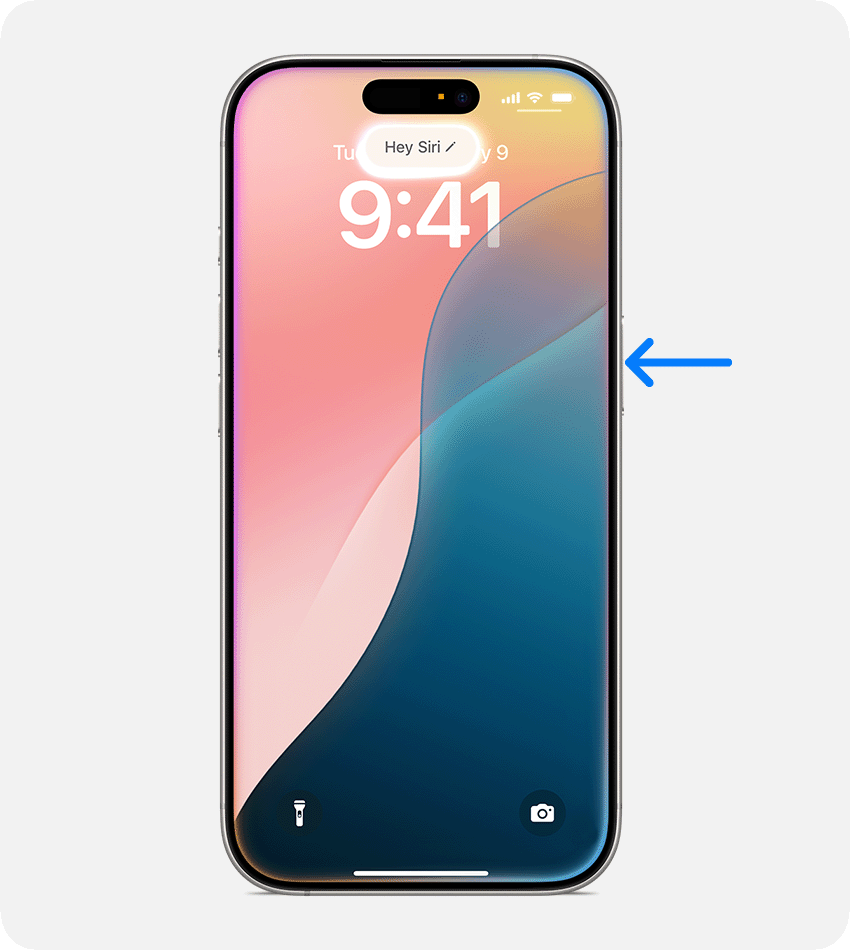

Imagine sitting in a coffee shop on a quiet Sunday morning in Silicon Valley. You ask your phone: “Hey Siri, plan a trip for me next month – flights, hotels, budget is $2000, and include my calendar conflicts.”
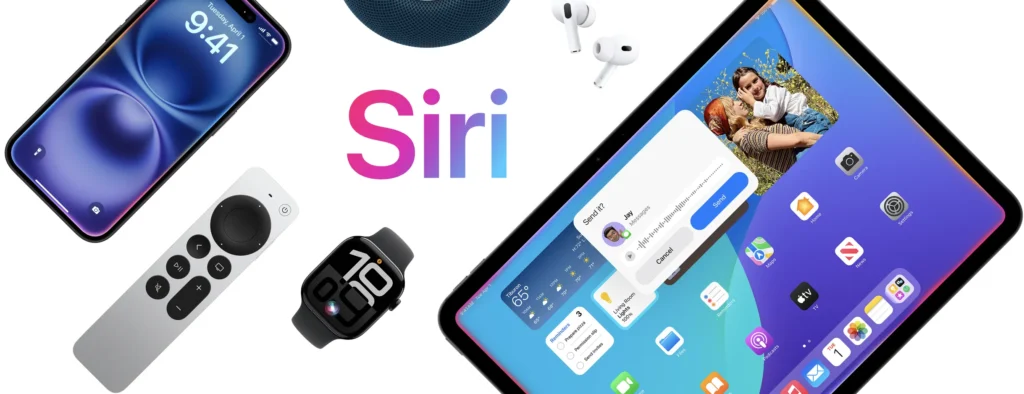
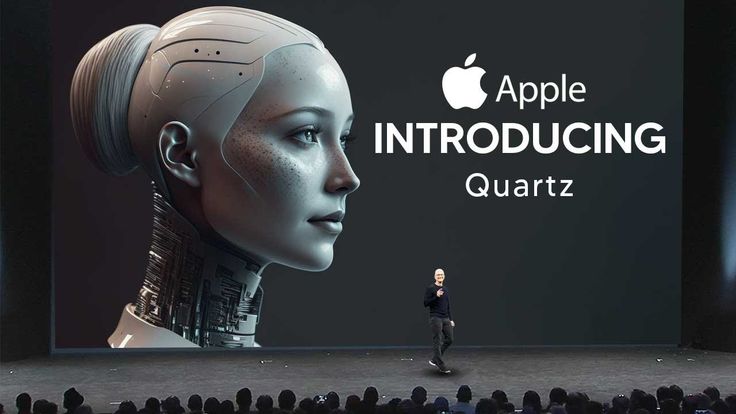
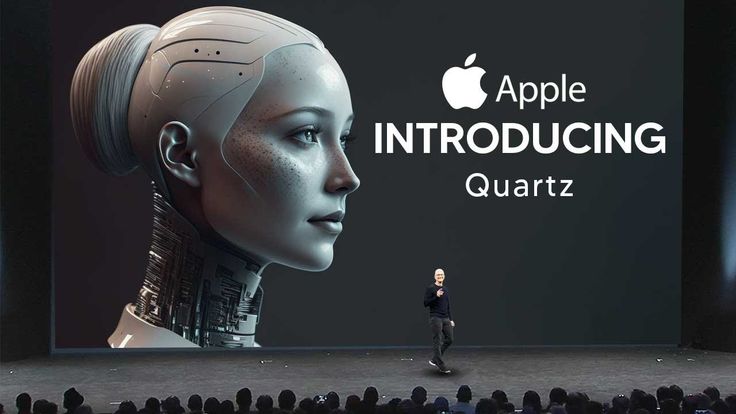
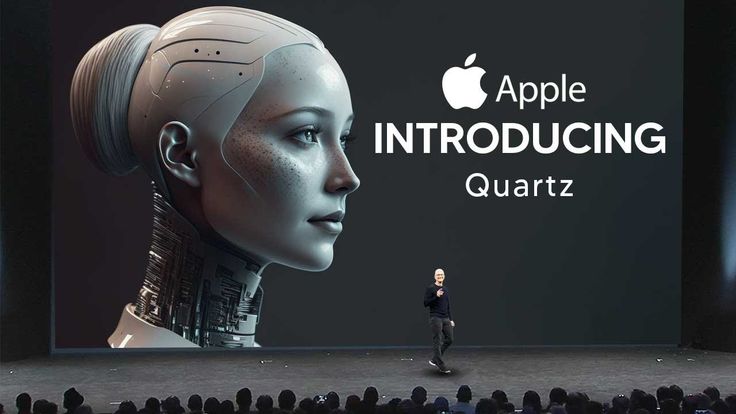
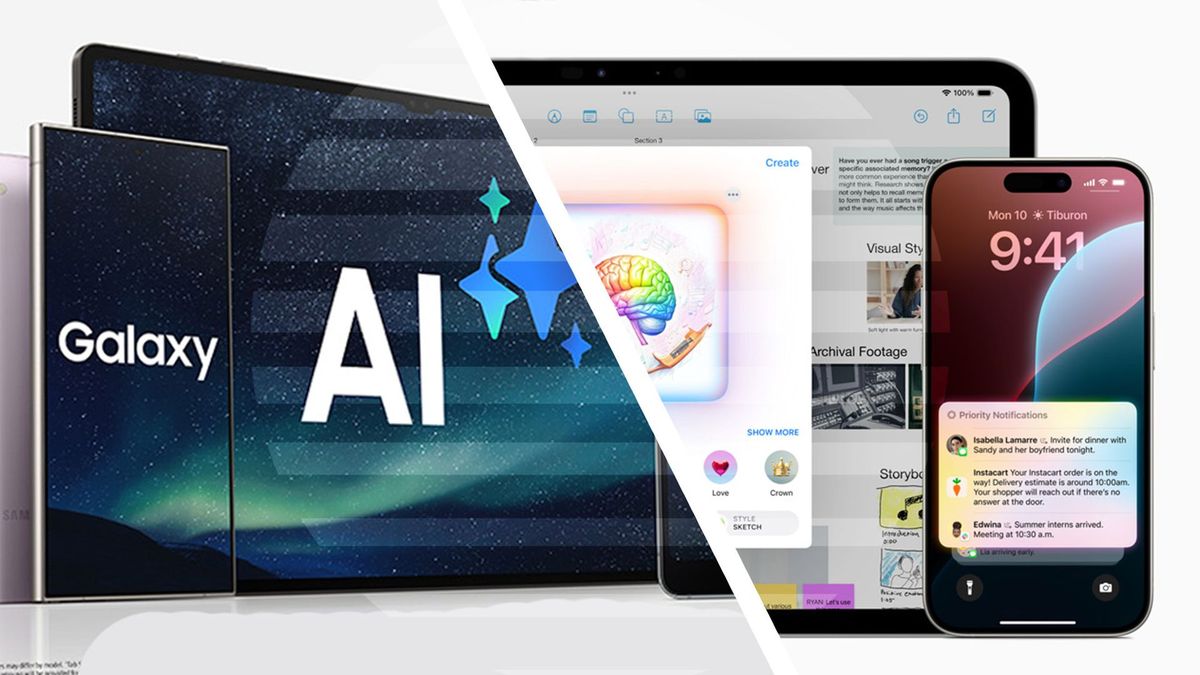
In 2026, that scenario may become reality. Under Apple CEO Tim Cook, Apple is finally showing signs of turning its long-promised AI-powered assistant into something more than a gimmick. The company is on track for a major overhaul of Siri — and is even open to integrating external AI engines like ChatGPT and Gemini to make it happen.
In this blog, we’ll walk through what’s happening, why it matters (especially for U.S. users and businesses), what the human impact looks like, and what to watch for as we approach 2026.
1. Siri upgrade target 2026
Tim Cook recently confirmed that the next-gen Siri is still on track for a 2026 launch.
The upgrade isn’t just a voice tweak – it’s designed to be a more intelligent, context-aware assistant that understands your full device ecosystem. For example: reading your messages, understanding your apps, summarizing information from the web and your device.
2. Third-party AI integration: ChatGPT, Gemini & more
Apple has already brought in ChatGPT integration: Apple users can, with permission, have Siri hand off certain complex requests to ChatGPT.
Now, Cook has said Apple is open to more partnerships — meaning models like Google’s Gemini (and possibly Anthropic’s Claude) could be part of Apple’s AI stack.
3. Hybrid architecture, privacy first
Apple is still holding fast to its privacy ethos — but to catch up in AI, it’s combining in-house models + third-party models in a hybrid way. For example, the device-stored personal context stays on Apple’s side; external models handle more generic web search/summarization tasks.
This means U.S. users (and Apple fans globally) may finally see an assistant that feels as capable as chatbots like ChatGPT, but still runs within Apple’s ecosystem and privacy constraints.
Why this matters – especially for U.S. users & creators
Voice assistants aren’t just fun—they’re utility & business tools: In the U.S., voice search, voice commands, smart home interactions are becoming mainstream. A smarter Siri means creators, marketers and everyday users have new opportunities.
Content creators (like you): If Siri becomes a truly intelligent assistant, the way people search, ask questions, interact with content will change. Your YouTube Shorts, blog posts, social clips may need to be optimized for voice-first queries.
Privacy and trust matter: Many American users are wary of “big tech AI” that doesn’t respect their data. Apple’s promise of a privacy-centric AI may give it an edge — which could shape how creators position themselves (e.g., “works great with Apple’s privacy-first AI”).
New business implications: For U.S. small businesses and influencers, a smarter Siri means appearing in “voice assistant answers” could become a new frontier. When someone asks Siri “Find a kids’ fun AI cartoon channel for my daughter near Chandigarh” (yes, globally too!), you want to be discoverable.
What to watch for – timeline, features & opportunities
Timeline
- 2026 launch target for upgraded Siri.
- Reports suggest spring 2026, potentially with iOS 26.4 update.
- Until then: incremental updates, more ChatGPT model integration, beta features for Apple Intelligence.
Features to expect
- Contextual awareness: Siri will understand what’s on your screen and act accordingly (e.g., you’re reading a webpage, ask Siri to summarise and send it).
- Multimodal answers: Siri’s answer may include text, images, videos, local context (maps, your apps) — akin to an “answer engine” rather than simple voice command.
- Choice of AI model: Users might choose or “opt in” to ChatGPT, Gemini (or others) when making complex requests. This could open up new choices in assistant behavior.
- Enhanced search & assistant ecosystem: Not just Siri, but features like Spotlight, Safari may integrate these AI models and responses.
Opportunities for you
- Optimize content for voice-first queries: People will ask Siri or Apple devices longer, conversational questions (versus typed keywords). Adapt your video titles, descriptions, blog copy accordingly.
- Content about AI/assistant behavior: Since you create YouTube Shorts and blogs, you can start producing content around “What Siri will do next”, “How ChatGPT + Siri changes YouTube strategy”, etc. Early-adopter coverage works.
- Leverage Apple’s ecosystem: If Siri becomes smarter, creating content optimized for iOS/iPad/Mac users may yield higher engagement in U.S. market.
- Privacy narrative: Emphasize privacy-first AI in your content—this resonates with U.S. audiences. “Why I prefer Apple’s approach to voice assistants” etc.
- Voice-search optimization: In descriptions and metadata of your videos/blogs include natural-language questions. Example: “Hey Siri: show kids AI-generated cartoon channel” or “Siri: find a healthy lifestyle Facebook page for USA audience”.
Challenges & caveats
- Delayed timeline: Apple has had multiple delays. What was expected earlier is now 2026. So don’t bank on full rollout too soon.
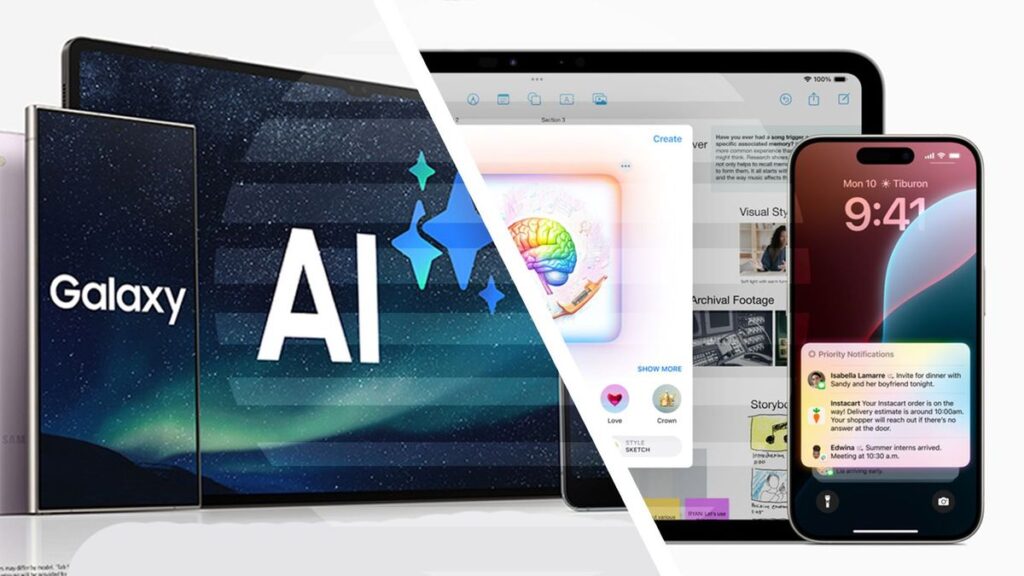
- Competition: Google, Microsoft and others are already advanced in AI assistants. Apple has catching up to do.
- User adoption and behaviour: Just because Siri gets smarter doesn’t mean all users will change overnight. Communication (Apple messaging), user trust, behaviour shift takes time.
- Privacy vs power trade-offs: Apple’s strict privacy may limit some capabilities (whereas other assistants might access more data). Some advanced AI features may lag behind competitors.
- Model choice and consistency: If Siri uses multiple models (ChatGPT, Gemini, in-house) the experience may vary; maintaining consistency will be key.