Elon Musk’s xAI to Build a 500-Megawatt AI Data Center in Saudi Arabia — What It Means for the Future of Artificial Intelligence

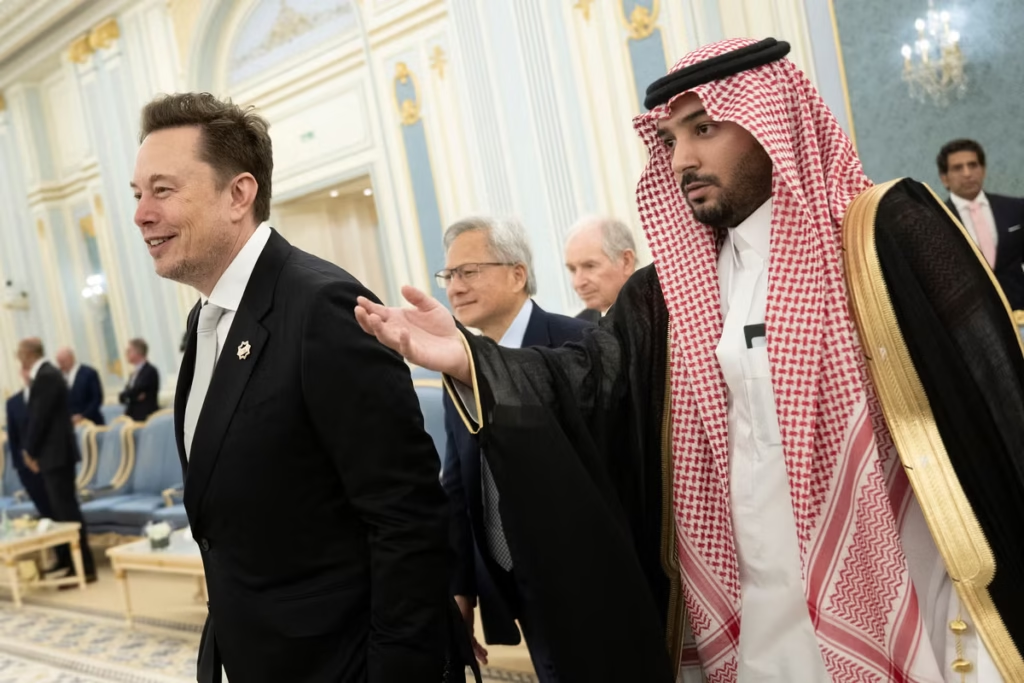
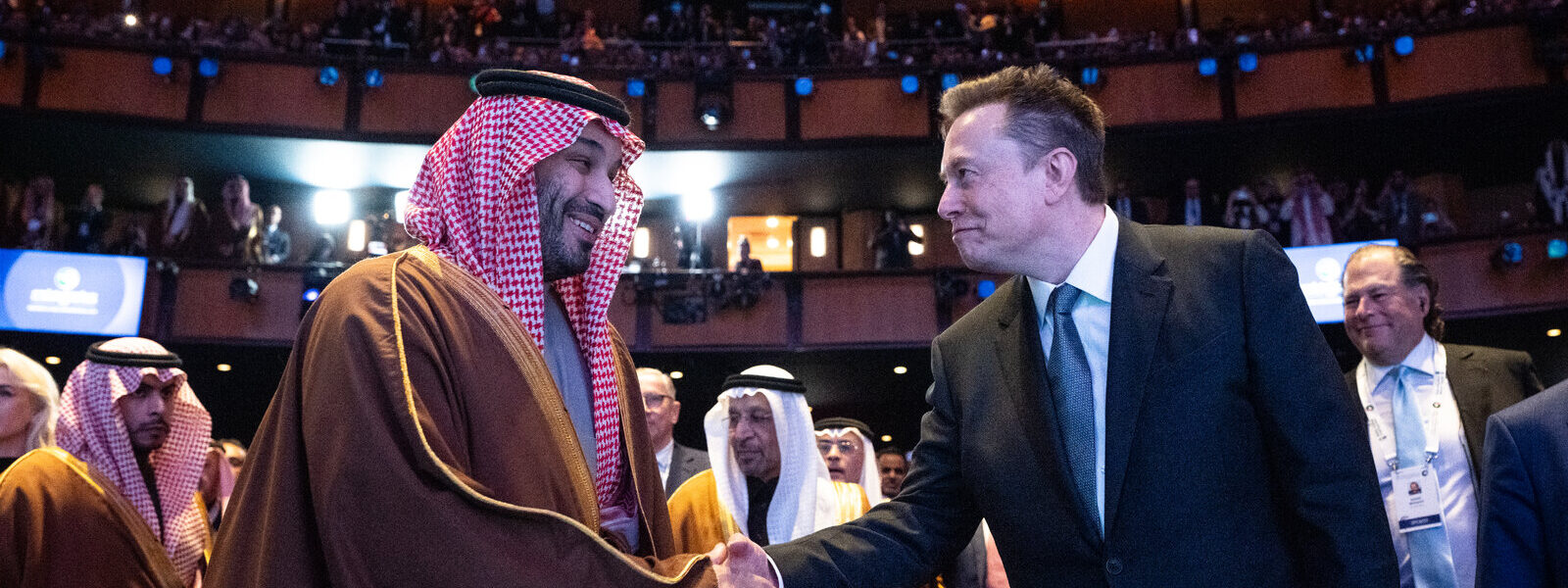
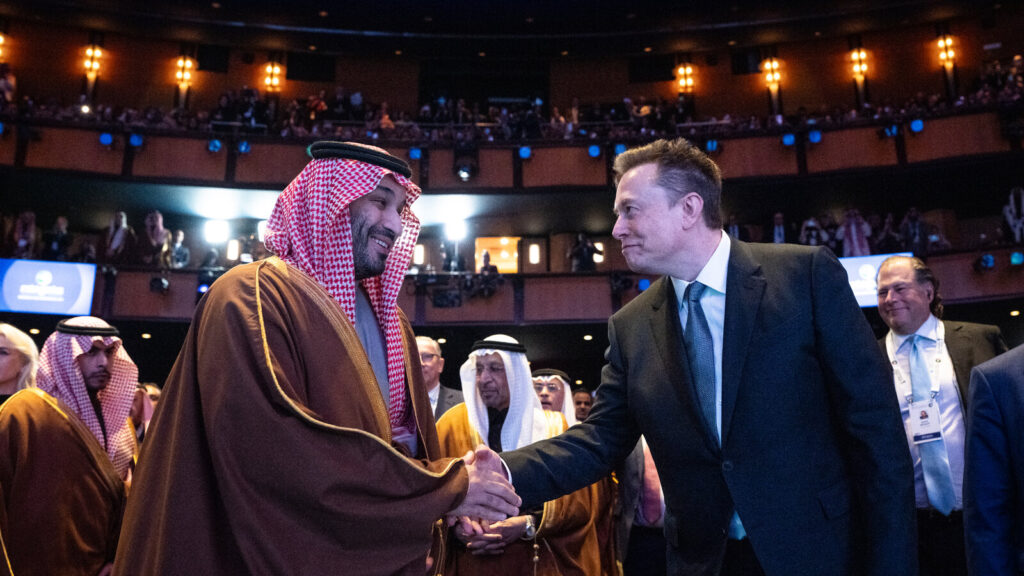
In a bold move that underscores the shifting geography of AI infrastructure, Elon Musk’s artificial intelligence company xAI has announced plans to build a 500-megawatt (MW) AI data center in Saudi Arabia, in partnership with the state-backed Saudi AI firm Humain. Revealed at a high-profile U.S.–Saudi investment forum, the deal combines xAI’s frontier-model know-how with Saudi Arabia’s ambition to become a global AI powerhouse.
Here’s the full story — why this deal matters, what it means for xAI and Saudi Arabia, and the broader implications for the global AI race.
Background: Who’s Who — xAI, Humain, and the Strategic Context
xAI: Elon Musk’s AI company, best-known for Grok, the AI chatbot. Musk is aggressively scaling xAI’s infrastructure footprint to compete with major players like OpenAI and Anthropic.
Humain: A Saudi-state-backed AI company, launched by the country’s Public Investment Fund (PIF). Humain’s mission is to build a full-stack AI ecosystem — data centers, compute infrastructure, cloud, and advanced model deployment.
Why Saudi Arabia? The Kingdom has some very favorable conditions for AI infrastructure: abundant energy resources, lots of land, and a strong political will to transform its economy under its “Vision 2030” ambitions.
What’s the Deal: The 500-Megawatt Data Center
- The flagship facility will consume over 500 MW of electricity, making it one of the largest AI compute centers planned globally and xAI’s largest outside the U.S.
- It will be powered by Nvidia GPUs — high-performance chips that are the backbone of many modern AI training systems.
- xAI’s Grok models will be deployed across Saudi Arabia, integrated into Humain’s own AI platform, Humain ONE, to deliver advanced AI tools for both public and private sectors.
- The partnership isn’t just about one data center — they plan to build a national network of AI compute sites, creating a “compute fabric” for training and deploying AI at scale.
Strategic Motivations: Why Both Parties Are Investing Big
For xAI / Elon Musk:
Global Scaling: This expansion gives xAI a major compute base outside the U.S., helping it scale large AI models more aggressively.
Cost Efficiency: Saudi Arabia offers potentially lower-cost power and real estate, which is critical for hyper-scale AI compute.
Model Deployment: By integrating Grok into Humain’s platform, xAI ensures its models are not just trained but also deeply embedded in a growing AI ecosystem.
For Saudi Arabia / Humain:
Tech Ambition: This is a core piece of Saudi Vision 2030 — diversify the economy, build high-tech capabilities, and reduce dependence on oil.
AI Infrastructure Leadership: With a 500 MW compute facility, Humain positions itself as a major global AI infrastructure provider, potentially handling 6% of global AI workloads in the future.
Sovereign Compute Power: By hosting massive compute capability domestically, Saudi Arabia can support its own AI development, attract foreign AI companies, and become an AI “exporter” of compute.
Challenges & Risks: Not Everything Is Smooth Sailing
Regulatory Hurdles: There have been past export restrictions on advanced AI chips (like from Nvidia) to certain regions.
Construction & Timeline: While the 500 MW number is ambitious, the timeline for full build-out is not yet clear. Humain and xAI have said “500+ MW,” suggesting phased deployment.
Geopolitical Risk: This is not just a business deal — it’s tied into geopolitics. Deepening ties between U.S. tech firms and Saudi Arabia could attract scrutiny.
Sustainability: Running such a high-power facility consumes a lot of energy; how this aligns with climate goals or whether the power comes from renewables is an open question.
Implications for the Global AI Landscape
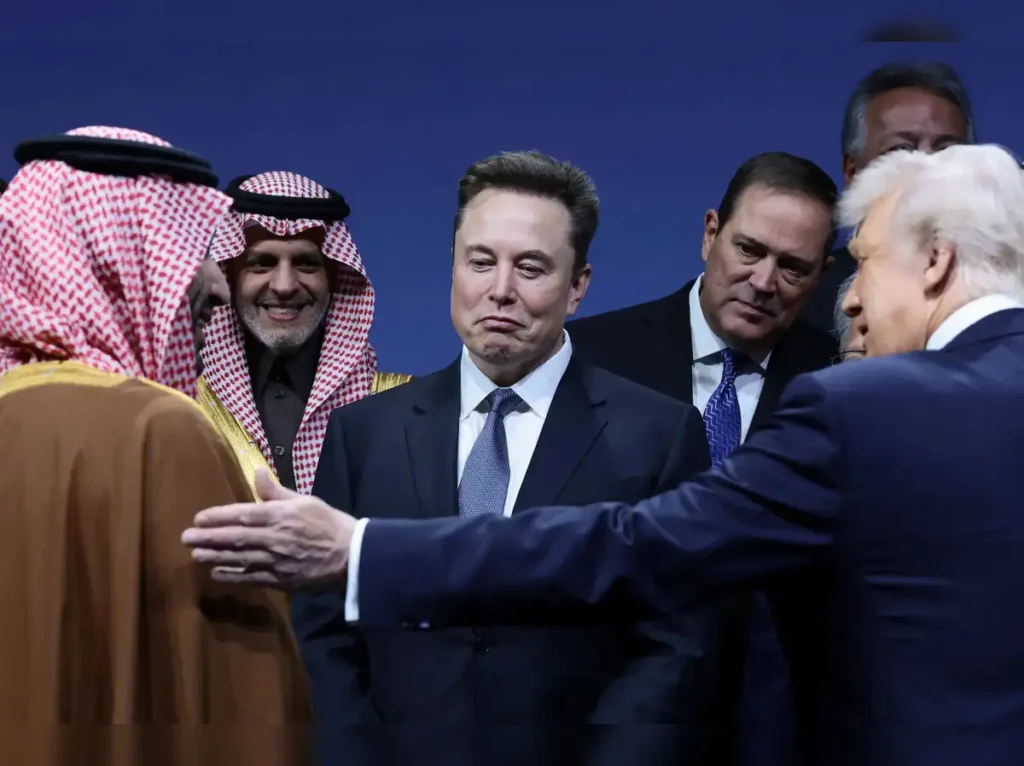
Decentralization of AI Compute: Traditionally, most high-end AI training happens in the U.S., China, or Europe. This deal signals that Middle East (especially Saudi Arabia) is becoming a serious compute hub.
Strategic Alliances: Partnerships like this show how capital (from sovereign funds), infrastructure, and AI talent can converge to build next-gen AI capacity.
Competitive Pressure: Companies like OpenAI, Anthropic, and Google will watch closely. xAI gaining such scale could intensify the AI-model race.
AI Democratization (Potentially): If Humain’s infrastructure is made available to other firms, we might see more AI companies—especially outside the U.S.—getting access to large-scale compute.
What’s Next — What to Watch
- Construction Updates: Will the 500 MW build start soon, and what is the timeline for different phases?
- Chip Deliveries: How many GPUs will be deployed, and what generations (Blackwell, future Nvidia chips)?
- Model Integration: How deeply will Grok be integrated into Humain’s enterprise and government platforms?
- Sustainability Plans: Will the data center run on renewable energy, or will it rely on traditional power grids?
- Competitive Responses: How will other AI companies respond? Will there be more such cross-border compute partnerships?