AgiBot A2: The Humanoid Robot That Walked 66 Miles and Redefined the Future of Robotics?

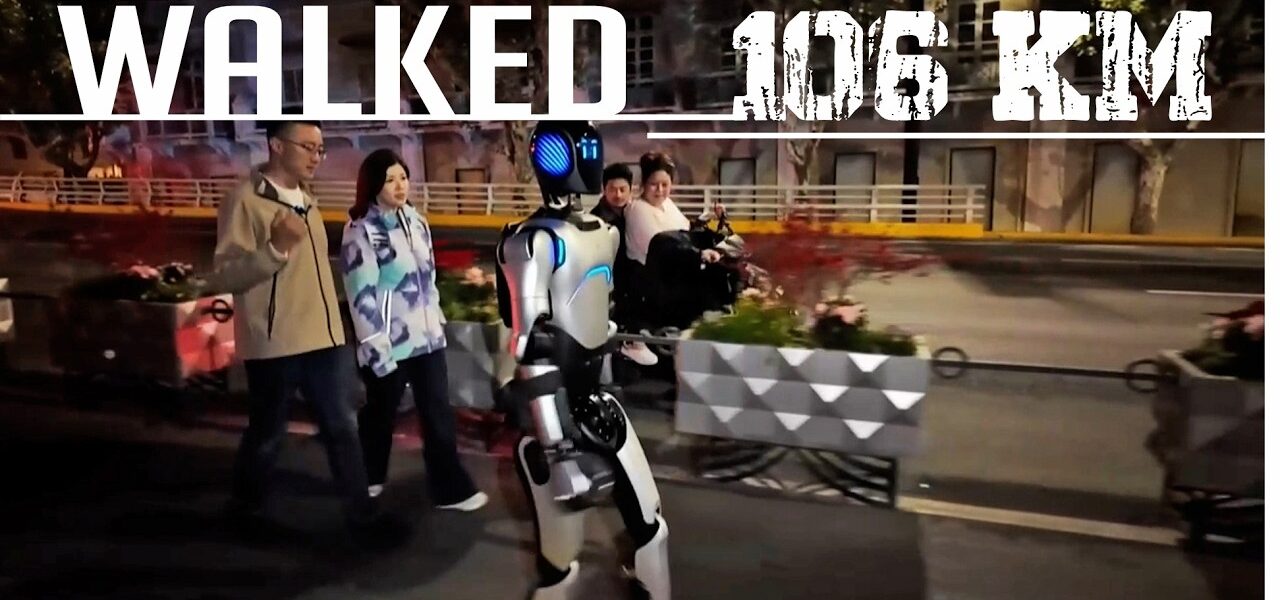
When we talk about the future of robotics, most of us picture sci-fi movies, high-tech labs, and machines that rarely step outside controlled environments. But in November 2025, a Chinese humanoid robot named AgiBot A2 stepped out of the lab and onto the open roads — literally.
What followed was a journey no robot had ever attempted before:
a 66-mile autonomous walk from Suzhou to Shanghai, completed over three days, officially earning a Guinness World Record for the longest distance walked by a humanoid robot.
This wasn’t a staged stunt. It was a powerful demonstration of how far robotics has come — and where it’s headed next.
A Record That Shocked the Robotics World
Imagine a robot walking alongside everyday commuters, obeying traffic lights, navigating sidewalks, avoiding obstacles, and handling unpredictable streets — all without human intervention.
That’s exactly what AgiBot A2 did.
106+ kilometers (≈66 miles) walked
3 days of continuous movement
Full autonomy — no joystick, no remote control
Official Guinness World Record holder
This journey wasn’t designed to break records alone. It was a real-world test of reliability, endurance, and intelligence
The Secret Behind the Endless Energy: Hot-Swappable Batteries
Most robots shut down when the battery dies.
AgiBot A2 didn’t.
It features a hot-swappable battery system, meaning the battery can be replaced while the robot is still running.
That means:
- No reboot
- No interruption
- No shutdown
The robot simply paused for a few seconds, swapped its battery, and continued the journey.
This system alone makes A2 far more practical for real-world deployment than most current humanoids.
Walking Like a Human: Obeying Traffic & Reading the Environment
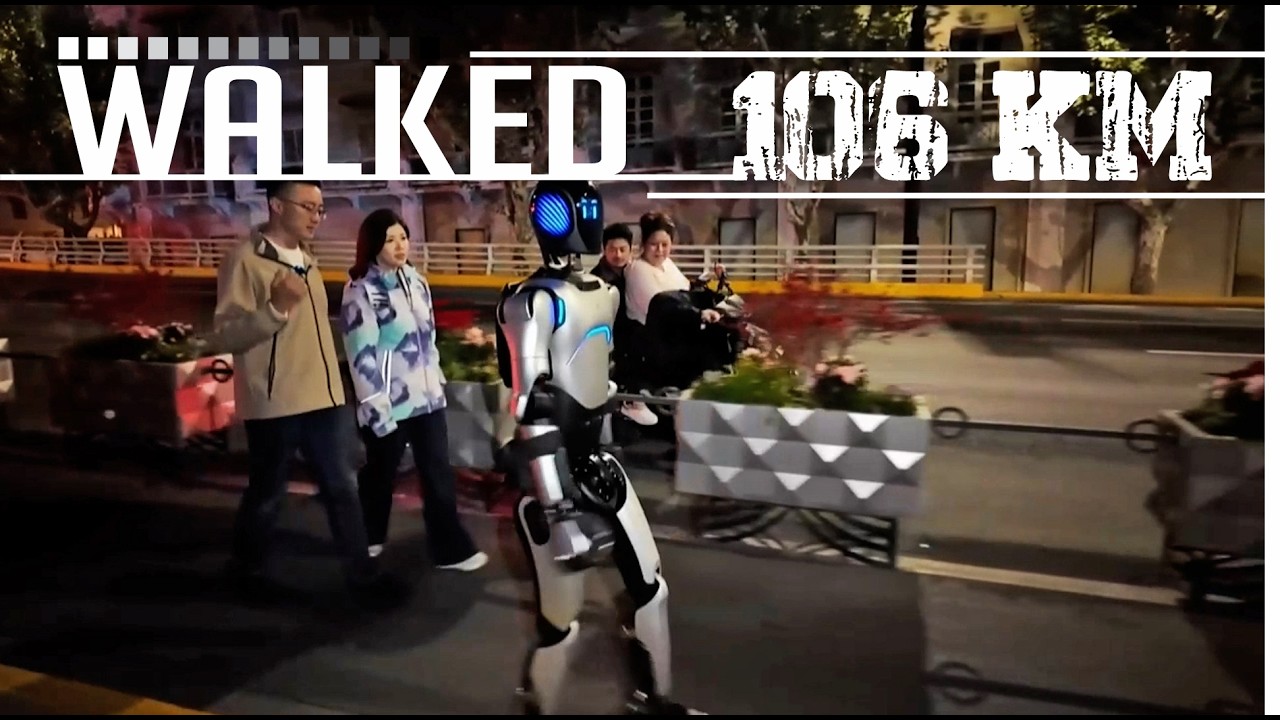
A2 didn’t just walk in a straight line — it navigated real city life.
It followed:
- Traffic lights
- Road rules
- Pedestrian signboards
- Sidewalk turns
- Changing ground textures
- Bridges, slopes, tiles, and narrow paths
Its sensory suite included:
- Dual GPS units
- LiDAR scanners
- Depth cameras
- Obstacle detection algorithms
- Night-vision perception
This allowed A2 to walk safely alongside cyclists, scooters, cars, and pedestrians — something even many humans struggle with!
A Commercial Robot — Not a Lab Prototype
One of the most surprising facts is that A2 is a commercial model, not a special lab version created for the challenge.
This proves that robots capable of long-term, real-world tasks are no longer experimental — they’re ready to be deployed.
AgiBot has already positioned A2 for:
- Customer service
- Shopping mall guidance
- Hospitality
- Light delivery
- Public interaction
- Educational demonstrations
And now, with this achievement, its capabilities are even more convincing.
Why This Journey Matters for the Future of Robotics
AgiBot A2’s walk wasn’t just a record — it was a message.
Robots have stepped out into the real world
Not as assistants in controlled factory floors, but as machines capable of navigating busy cities, unpredictable environments, and long-term autonomous operations.
This achievement shows:
✔ Humanoid robots can handle long-duration tasks
✔ Autonomous navigation is now reliable and stable
✔ Real-world deployment of humanoids is closer than we think
✔ Battery technology for robots is evolving fast
✔ Urban robots could soon become part of daily life
From helping elderly people to delivering goods or guiding visitors in airports — the possibilities just expanded dramatically.
A Giant Step Toward a Humanoid Future
🤖 A Giant Step Toward a Humanoid Future
AgiBot A2’s 66-mile walk is more than a world record.
It’s a symbolic milestone — the first real demonstration that humanoid robots are ready to leave the lab and walk among us.
And as technology improves, this may be the beginning of a future where robots:
- Move freely in cities
- Assist humans in daily tasks
- Work in restaurants, hotels, malls, hospitals
- Perform deliveries
- Offer companionship and guidance
A2 didn’t just walk from Suzhou to Shanghai —
it walked straight into the future.