Humanoid Robots: Revolutionizing the Future of Human-Machine Interaction

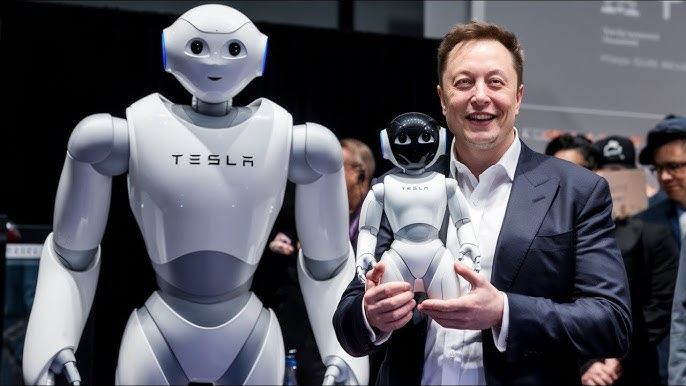
In recent years, humanoid robots have emerged as one of the most fascinating and transformative technologies shaping our future. Designed to resemble and function like humans, these robots are advancing rapidly and finding their place in various industries worldwide. From healthcare and manufacturing to customer service and personal assistance, humanoid robots promise a future where humans and machines collaborate seamlessly. This blog explores what humanoid robots are, their current and future applications, the impact they may have on society, and the exciting possibilities ahead.
What Are Humanoid Robots?
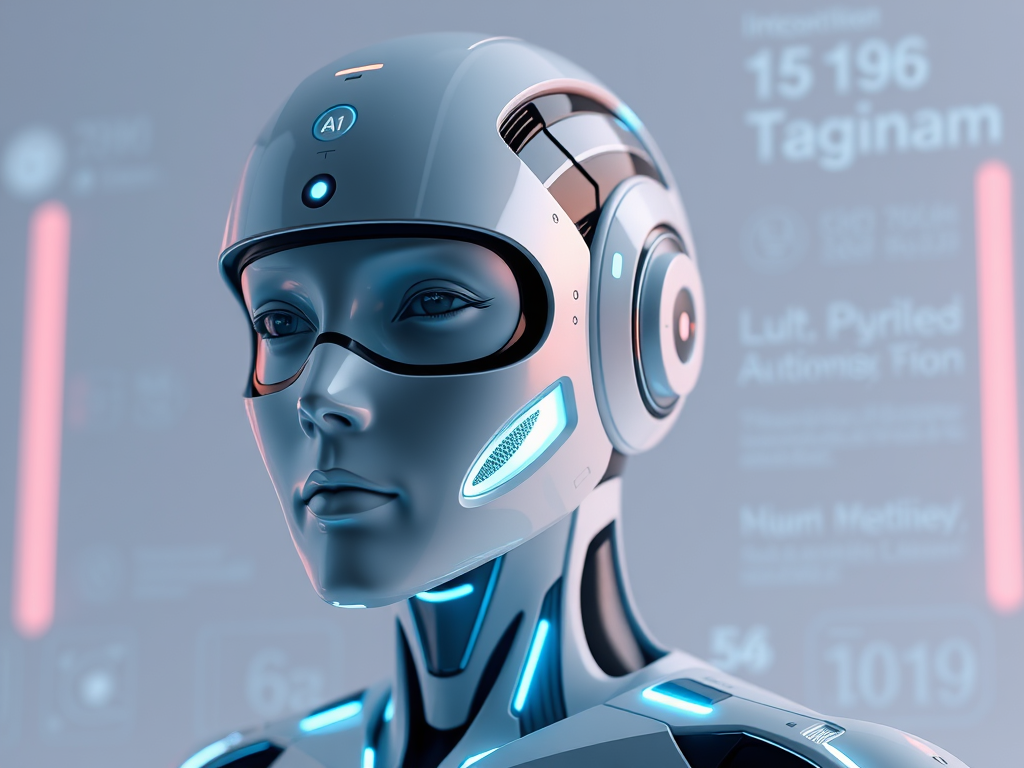
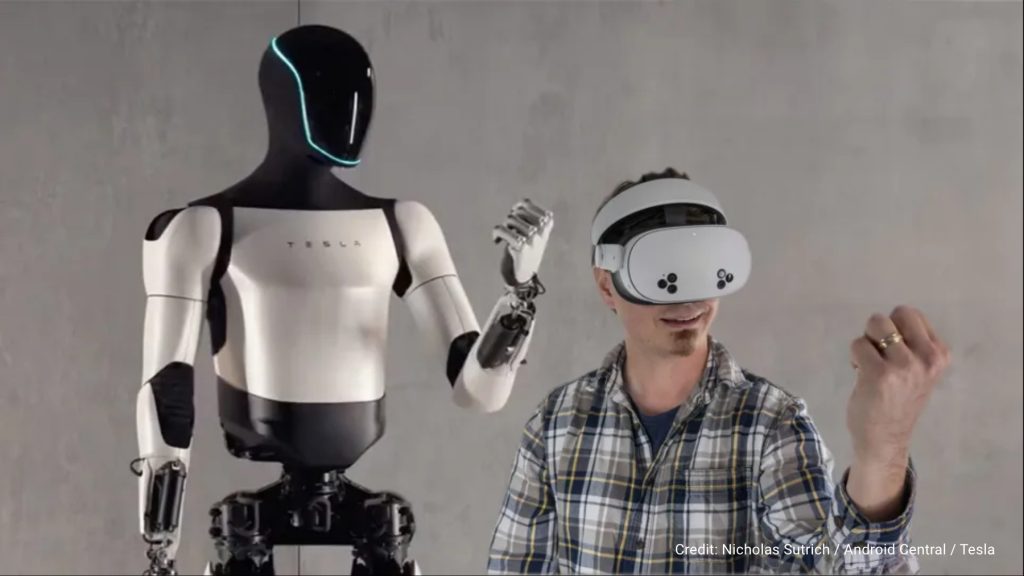
Humanoid robots are robots built to mirror the human form — with a head, torso, arms, and legs — and often capable of performing human-like movements and tasks. However, they are much more than mere machines with a human shape. Equipped with advanced sensors, artificial intelligence (AI), and machine learning, these robots can sense their environment, understand commands, make decisions, and carry out complex actions autonomously or semi-autonomously.
Unlike traditional industrial robots, which are fixed in place and specialized for repetitive tasks, humanoids are designed to work in diverse, unstructured environments meant for humans. This makes them suited to roles that require interaction, dexterity, mobility, and adaptability. Humanoids are often embedded with facial recognition, natural language processing, and emotion-recognition capabilities, enabling more natural and intuitive interactions with people.
Current Applications of Humanoid Robots
Across the globe, humanoid robots are transitioning from experimental prototypes to practical tools with real-world applications:
1. Manufacturing & Logistics
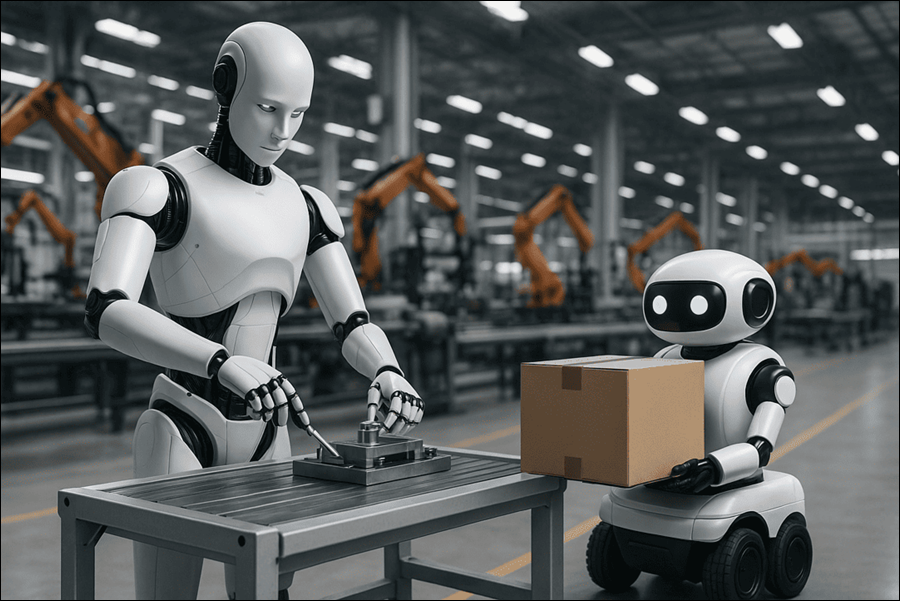
Robots like Digit and Atlas are being used to help with warehouse logistics—lifting and transporting goods across complex environments. They can operate in spaces humans find challenging, improving efficiency and reducing workplace injuries.
2. Customer Service
Companies are deploying humanoid robots like SoftBank Robotics’ Pepper in banks, airports, and retail stores to assist customers. These robots provide multilingual support, answer FAQs, and guide customers with directions or product information.
3. Healthcare
In hospitals, humanoid robots assist with routine tasks such as delivering medications, sanitation, and patient interaction. Some robots support physical therapy by demonstrating exercises or assisting patients recovering from injuries. They provide companionship and monitoring for the elderly, improving care quality.
4. Education and Research
Educational institutions use humanoids as teaching assistants, helping students learn programming, robotics, and AI. They encourage STEM education by providing interactive STEM experiences.
5. Entertainment and Hospitality
In entertainment venues and hotels, humanoid robots offer guest services, guide tours, or perform interactive shows. Their human-like appearance and behavior make experiences more engaging.
Why Are Humanoid Robots Important?
Humanoids bring several advantages that make them key to the next industrial and societal revolution:
- Adaptability: They can navigate human environments and use existing infrastructure without costly modification.
- Safety: By handling dangerous or exhausting tasks, they make workplaces safer.
- Efficiency: They can operate 24/7 with precision, enhancing productivity.
- Interaction: Their ability to communicate naturally makes them ideal for service roles.
- Research & Innovation: They drive advances in AI, machine learning, and biomechanics.
The Future of Humanoid Robots: Trends and Predictions
The trajectory of humanoid robot development reveals exciting trends shaping the near future:
Scaling Commercial Use
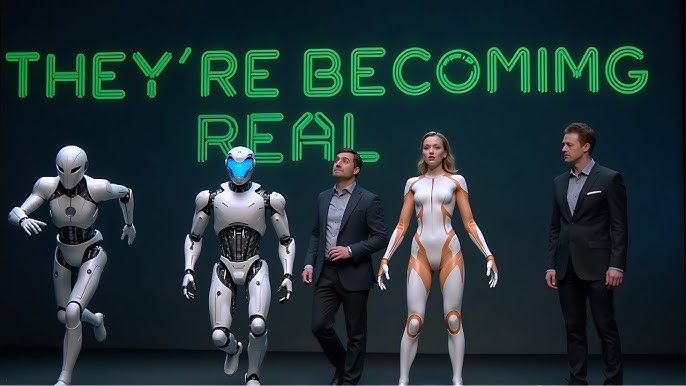
In 2025 and beyond, there is a growing shift from demos and pilots toward broad commercial deployment. According to market reports, humanoid robot shipments are expected to exceed tens of thousands in the coming years as costs decrease and capabilities improve.
Enhanced AI and Perception
Future humanoids will feature more sophisticated vision and language understanding, allowing them to react in real-time with emotional intelligence and situational awareness. This will make interaction smoother and tasks more autonomous.
Industry-Specific Solutions
Robots tailored for specific industries—construction, hospitality, healthcare—will address precise business needs, accelerating adoption.
Consumer-Level Robots
By 2030, humanoids designed for home use in caregiving, security, and domestic help will become more commonplace, blending smart home technology and robotics.
Collaboration with Humans
Robots won’t replace people but will augment human teams, sharing workloads and freeing humans to focus on creativity and decision-making.
Ethical, Legal, and Social Frameworks
As humanoid robots integrate into our lives, governments and organizations are crafting policies for responsible use, privacy, and safety.
Challenges to Overcome
Despite advances, some challenges remain:
Technical Limitations: Battery life, dexterity, and robust AI in unpredictable environments still need improvement.
Cost: High expenses limit accessibility for many businesses and individuals.
Ethical Concerns: Privacy, job displacement, and accountability for autonomous decisions must be managed carefully.
Public Acceptance: Trust in robots hinges on transparency, reliability, and cultural attitudes.

How Humanoid Robots Will Impact Society
The increasing presence of humanoid robots will reshape society in profound ways:
- Workplace Transformation: Routine, dangerous, or precision tasks may shift to robots, changing job profiles and requiring reskilling.
- Healthcare Quality: Robots can provide personalized assistance and scale healthcare services in aging populations.
- Accessibility: They can empower people with disabilities through assistance and companionship.
- Global Economy: New sectors and markets for robotics innovation will emerge, driving economic growth.
- Human Relationships: The nature of social interaction may evolve as humans form bonds with robots.