“Shocking Power Crisis: Could Energy Shortages Kill the AI Gold Rush?”

Introduction: When AI Meets Its Hardest Problem Yet
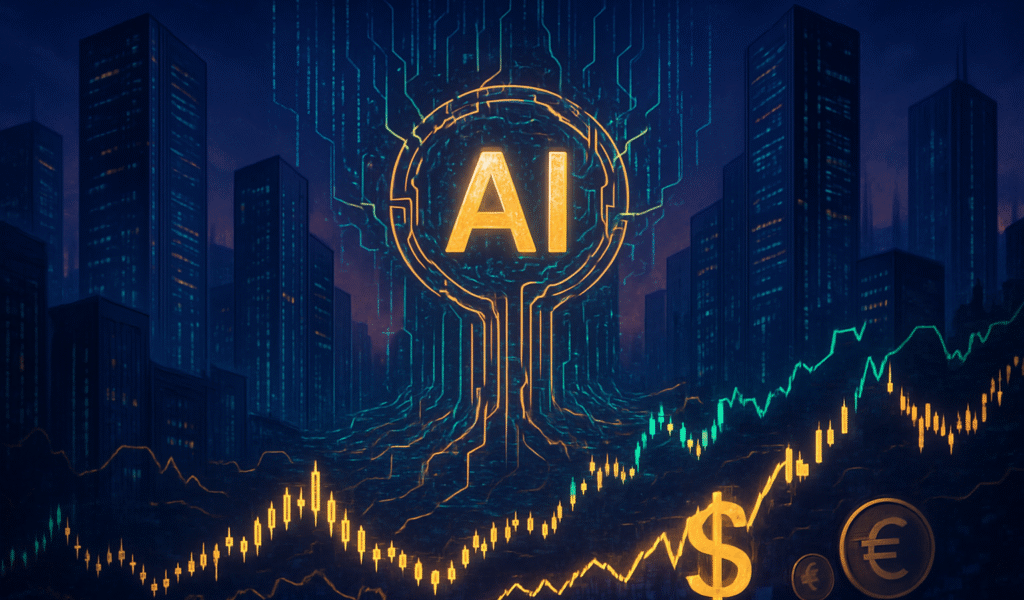
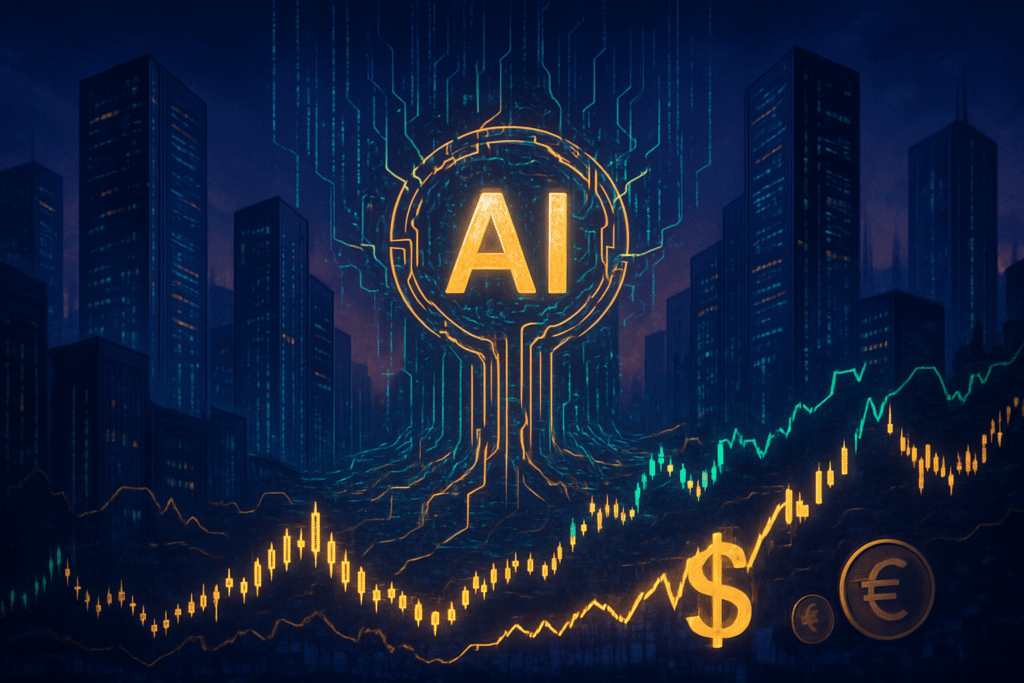
Artificial Intelligence, once the darling of the stock markets and the world’s innovation frontier, is suddenly running headlong into a very old problem: electricity. The world’s AI revolution—be it chatbots, robotics, or self-driving cars—is hitting a wall, and that wall is our aging, overworked electrical grid. As AI stocks swing wildly and markets question whether there’s real gold at the end of the AI rainbow, the story behind the recent turbulence isn’t just hype and speculation—it’s about the very infrastructure that powers our digital ambitions.
How Did We Get Here? The AI Hype and the Invisible Power Drain
Over the last three years, companies have poured hundreds of billions into AI research, high-powered chips, and gigantic data centers fit to train the next generation of intelligent machines. Stocks like Nvidia, Microsoft, and Meta soared as investors dreamed of an AI-powered tomorrow. But underneath the surface, something was brewing—something rarely mentioned in investor calls: the massive hunger for electricity.
Data centers powering AI consume gigantic amounts of energy, not just for computation but also for cooling. In the US alone, AI and digital infrastructure could soon eat up as much as 12% of total available electricity, up from about 4.4% today—a jump that no grid in the world is currently ready to handle

Why Are AI Stocks Crashing Now?
As AI’s dazzling promise lights up computer screens worldwide, the reality of grid overload is causing analysts and investors to hit the brakes. Iconic investors like Mark Mobius have started ringing alarm bells, warning of a possible 40% downturn in overhyped AI stocks. For the first time, both Wall Street and Silicon Valley are worried the dream could literally short-circuit.
Turbulence in the stock market is normal for tech, but the current storm is different. It’s not just about valuation—it’s about whether the physical world can keep up. Profit-taking, bubble anxiety, and now, grid bottlenecks, together create the perfect storm for volatility.
Understanding the True Energy Cost of Artificial Intelligence
AI isn’t cheap. Training a single leading-edge language model can consume as much power as hundreds of homes do in a year. Clusters of GPUs, endlessly crunching data, stress local grids until brownouts and blackouts become a real risk. In some cities, data centers for AI have become the single biggest consumers of power—outstripping even factories.
And while companies tout “green AI” and carbon offsets, the truth is that most grids—especially in the US, Europe, and rapidly digitizing Asia—are still powered by fossil fuels. Real sustainability, and long-term sector growth, rely not just on clever code but also on massive infrastructure upgrades and realistic energy policy.
Investment Frenzy: Who Is Betting the Most on AI Infrastructure?
Despite these risks, the world’s corporate giants are doubling down. Here’s a look at the key players, their massive investments, and where the money’s going
| Company/Project | Investment Size | Major Partners | Region/Focus | Brief Details |
|---|---|---|---|---|
| OpenAI | $300B (cloud deal) | Oracle | USA/Global | Essential backbone for ChatGPT and enterprise AI . |
| Meta Platforms | $14B (compute contracts) | CoreWeave | USA/Cloud computing | Secures GPU resources for next-gen AI tools . |
| Nvidia | $6.3B (chip orders) | CoreWeave | Chips/Cloud | Locks in vital GPU and server capacity . |
| Microsoft | $17.4B (GPU contract) | Nebius Group | USA/Data centers | Multi-year agreement for GPU supply . |
| $10B+ | Meta (partnership) | Global Cloud | Joint cloud compute and data infrastructure . | |
| Anthropic | $50B (infrastructure) | Fluidstack | USA/Data centers | Major investment in New York and Texas . |
| Amazon, Alphabet, Apple, Meta, Microsoft | $349B (collectively in 2025) | — | Multi-continent | Unprecedented investment in digital infrastructure . |
| Intel + SoftBank | $2B (chip stake) | SoftBank | Chips/Semiconductors | Equity deal for manufacturing expansion . |
| Tesla | $16.5B (chip/facility) | Samsung | AI chips/Texas facility | Hardware for self-driving and AI training . |
| Stargate Project | Up to $500B (planned) | OpenAI, Oracle, SoftBank | USA and global | Ultra-large datacenters and grid infrastructure . |
| CoreWeave + OpenAI | $11.9B | – | Cloud compute | Lock-in deals for long-term growth . |
India and Asia: At the Edge of the AI Boom
India’s emergence as an AI powerhouse comes with unique challenges. Indian data centers are now racing to add both grid capacity and renewables, but experts warn that keeping up with AI’s speed is a huge ask. Some facilities can drain as much water and power as small towns, stressing already-vulnerable supply systems.
As more AI proxy stocks from India and the wider Asia-Pacific shake with the global downturn, governments are launching new public-private grid projects, but the gap is large and policy action must be swift.
The Human Angle: What This Means for Investors, Workers, and Innovators
For global investors and every person who interacts with AI—users, employees, researchers—this issue is personal and urgent. Smart regulation, rapid public investment, and genuine transparency from Big Tech are needed now more than ever.
If grids cannot evolve quickly enough, the backlash may go beyond stock charts. AI-powered services could face outages, data costs could skyrocket, and entire industries might need to slow down innovation so the world can catch up
Is There a Way Out? Solutions and Next Steps
- Rethinking AI Training: More energy-efficient chips and better algorithms could ease the load.
- Grid Modernization: Governments and utilities must fast-track building modern, resilient, renewable-heavy grids.
- Business Transparency: Companies should be open about energy use and climate impact.
- New Investment Focus: Infrastructure stocks—grids, semiconductors, renewables—may rise as the best AI bets now.
Conclusion: The Future of AI Depends on Power
The story of AI is no longer just about software, apps, or even chips—it’s about kilowatts, megawatts, and who controls the new digital-age power grid. Only when the world’s infrastructure rises to meet the challenge will the next chapter of the AI revolution be written.
Otherwise, the industry’s brightest future risks flickering out in the dark—one power outage at a time.
Sources: As cited throughout the post, including the latest reporting and company disclosures from November 2025.